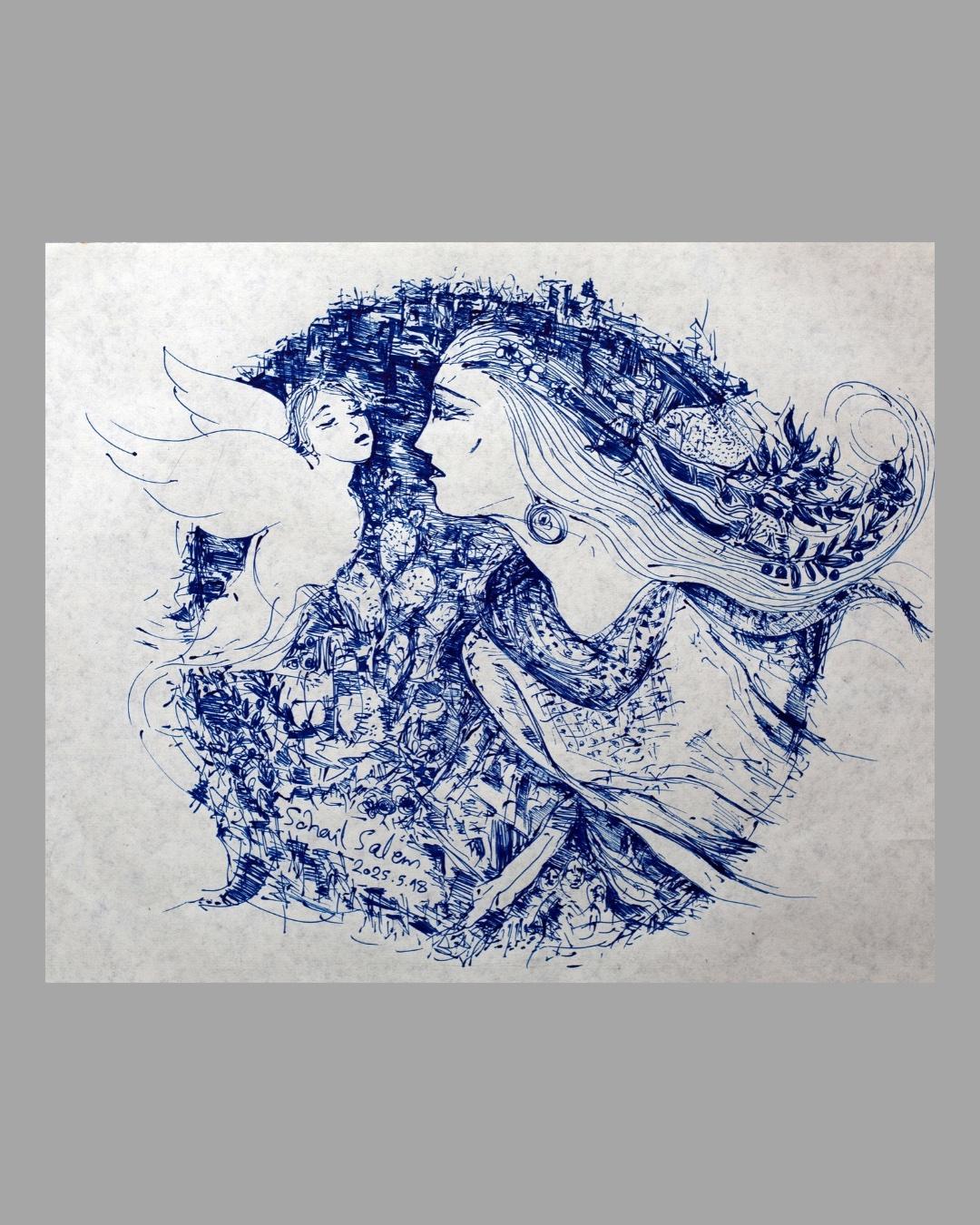
HIS ART FOUND FREEDOM. HE IS STILL WAITING FOR HIS.
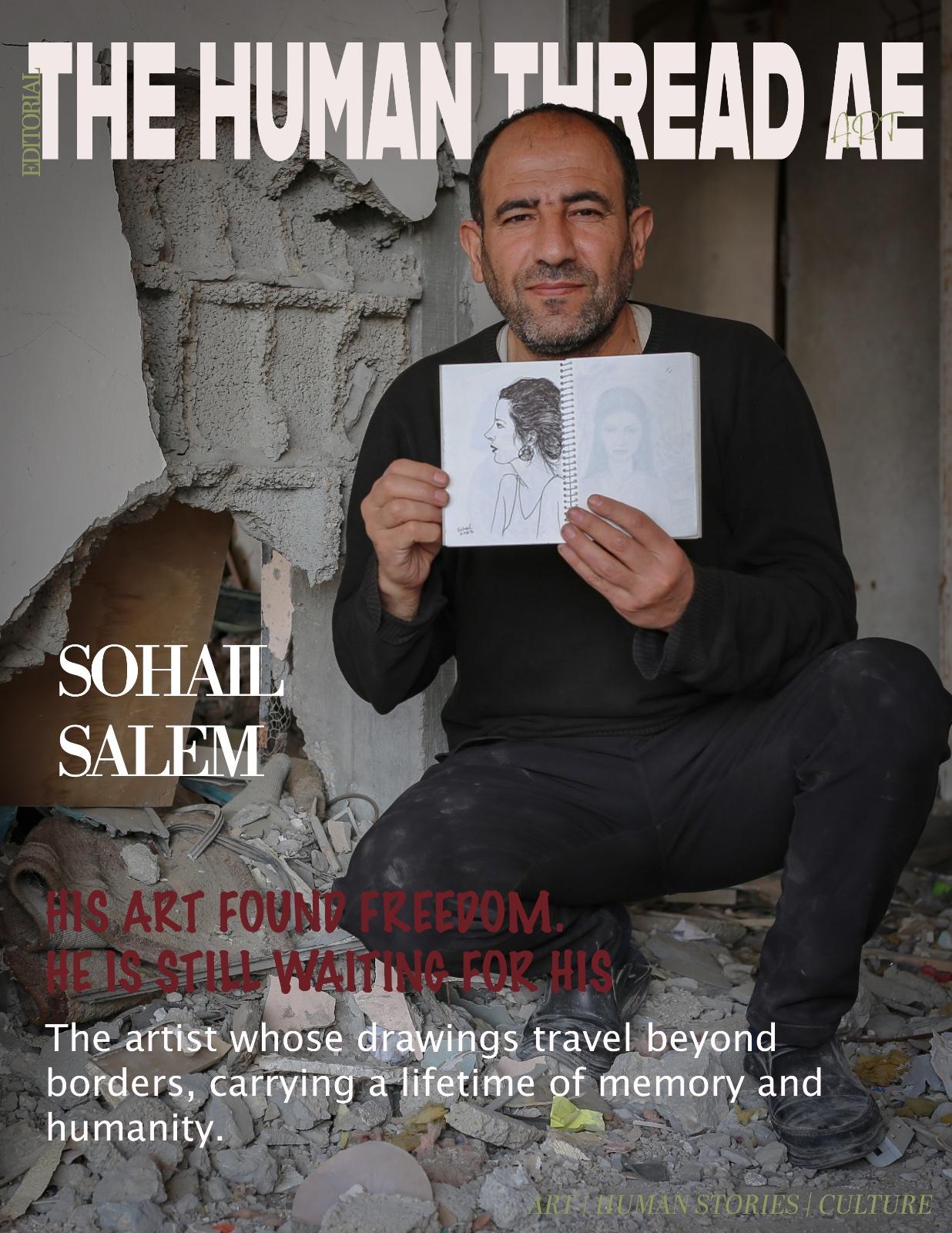
“How was I able to free some of my drawings, yet unable to free myself and my family?”
This was the question Sohail Salem found himself asking when a collection of his drawings was successfully brought out of Gaza.
Today, those artworks travel across borders, reaching people in places he cannot visit, while he and his family remain in Gaza.
But there is so much more to Sohail's story than the circumstances he faces today. Behind his drawings is a lifetime of curiosity, friendships, artistic discoveries and memories of the place he calls home.
A LIFE SHAPED BY ART
Sohail's relationship with drawing began in childhood. Growing up in Gaza, he was fascinated by the world around him and loved finding ways to recreate what he saw.
His school had no art teacher, so he learned through curiosity and practice. He drew characters from films, familiar scenes and anything that caught his imagination.
As he grew older, the events taking place around him began to influence what he drew. Art became a way to express his thoughts and make sense of his surroundings.
Through drawing, I felt that I had a free space to express myself and create my own world.
His first formal artistic training came through the Young Men's Christian Association in Gaza. He later studied fine arts at Al-Aqsa University.
Opportunities to attend workshops and artistic residencies took him to Amman, Geneva and Paris. There, he encountered new ideas, visited museums and exchanged experiences with artists from different backgrounds.
One of the most important encounters was with Syrian artist Marwan Kassab-Bachi at the September Summer Academy in Amman.
In 2002, Sohail also helped establish Eltiqa for Contemporary Art in Gaza. It brought artists together to share ideas, organise exhibitions and create a space for artistic dialogue.
These experiences shaped his understanding of what art could be.
Art is not only what we draw, but the way we look at things, the questions we carry, and our relationship with people, place and memory.
THE HUMAN BEING BEHIND EVERY LINE
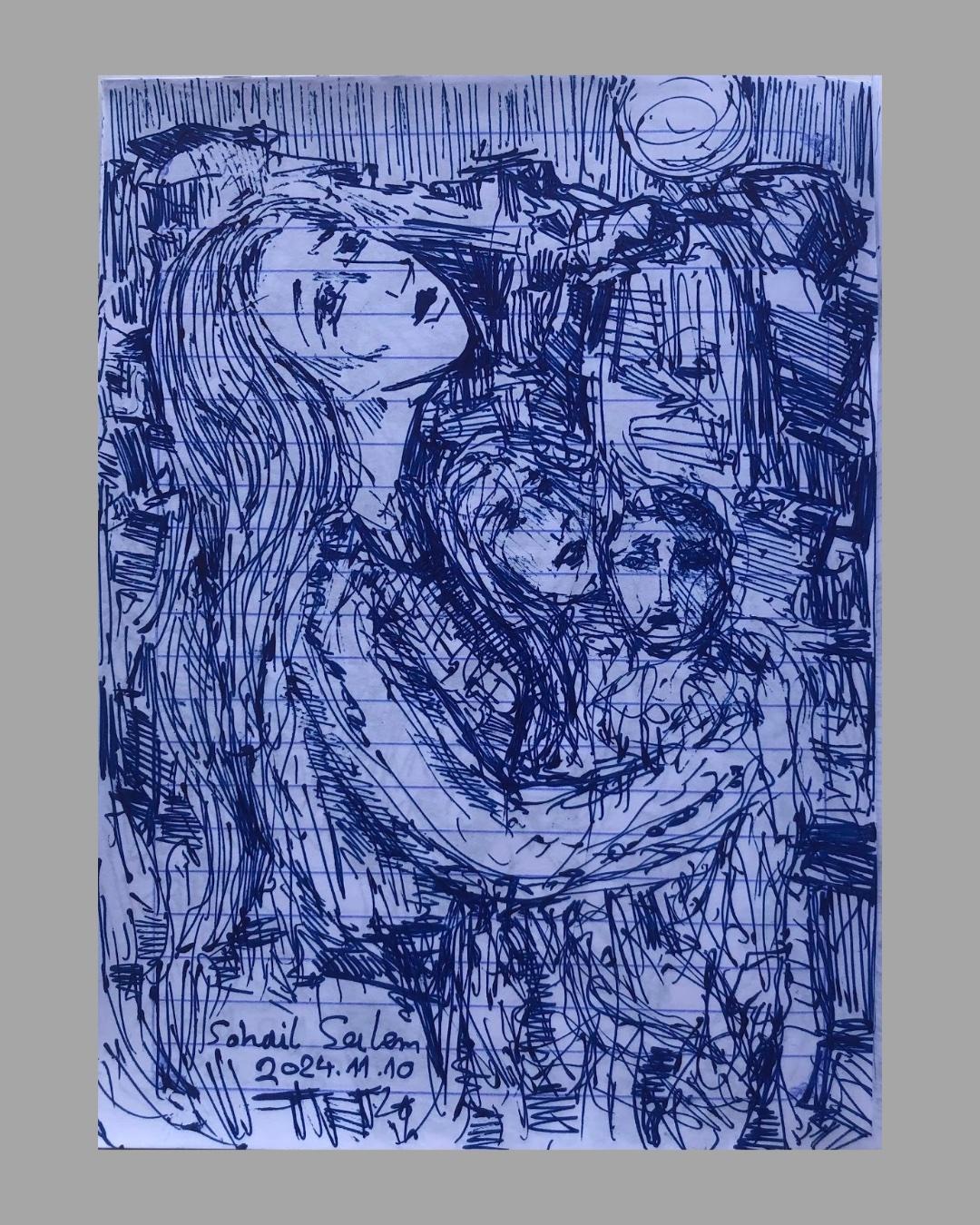
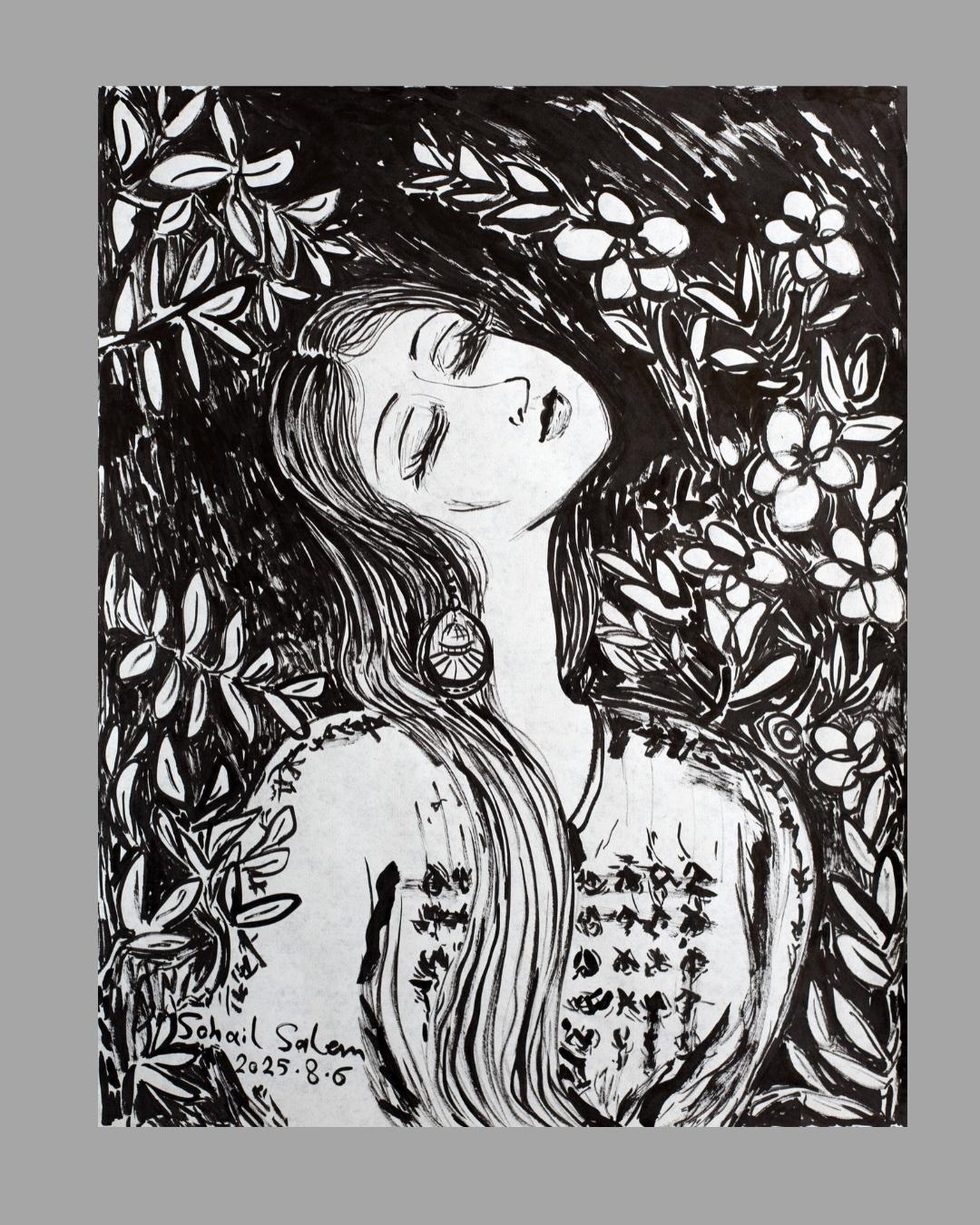
Faces and human figures appear throughout Sohail's drawings.
But when he looks at a face, he is interested in much more than its appearance.
When I draw a face or a body, I am not only searching for external features. I try to approach what is hidden behind them.
For Sohail, a face can carry a lifetime of memories. A quiet expression, a lowered head or a pair of closed eyes may communicate feelings that words cannot quite capture.
His drawings explore human vulnerability, strength and the experiences that shape who we become.
Yet there is something he wants people to remember.
I do not want to reduce the human being to suffering, or make pain their only identity.
He sees each person as a complete human being, someone capable of carrying sadness and joy, uncertainty and hope, all at once.
That understanding is at the heart of his work.
THE GAZA HE WANTS US TO REMEMBER
When Sohail speaks about Gaza, he remembers the small details that make a place feel like home.
The sea. The streets of the old town. Childhood friendships. Conversations between neighbours. The smell of cooking as he walked through familiar streets.
He remembers the salt in the air, the blue horizon and the morning breeze that welcomed another day.
These are the memories that stay with him.
They are not passing or marginal things. They are life itself.
The sea is especially meaningful to Sohail. Its blue colour reminds him of freedom and calm, but also of distance and longing.
These feelings often find their way into his drawings through colour, faces and places that remain close to his heart.
Gaza is a society with its own culture, memory, beauty and daily life.
He wants people to remember the lives that exist beyond the images they usually see.
People dream, love, work and create. They love life.
For Sohail, preserving these memories through art is a way of keeping the people and places he loves present.
It is also a reminder that life is made of more than its most difficult moments.
WHEN ART BECOMES A WAY TO CONTINUE
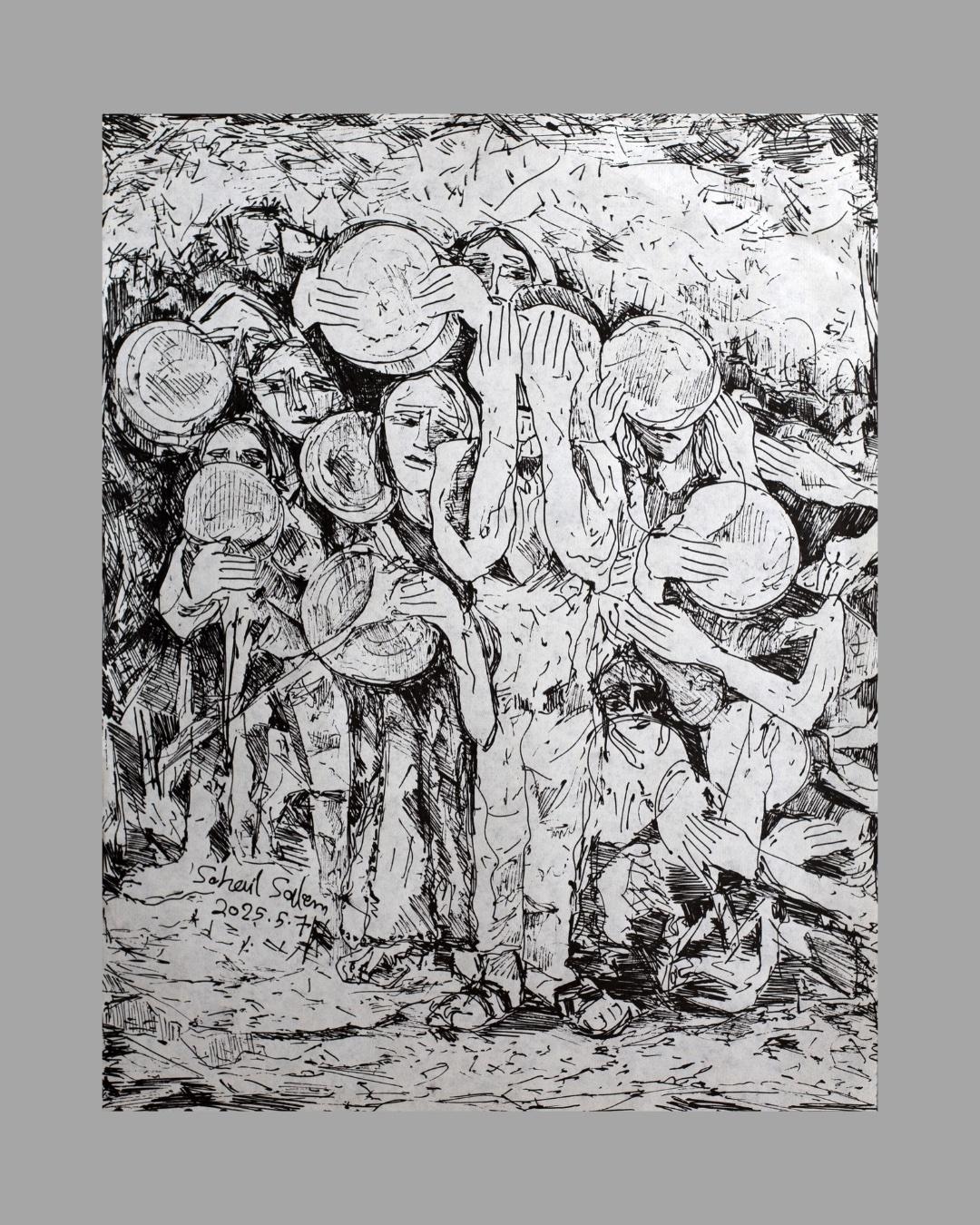
Displacement changed the way Sohail worked.
Without access to his usual studio or art supplies, he began drawing on whatever he could find.
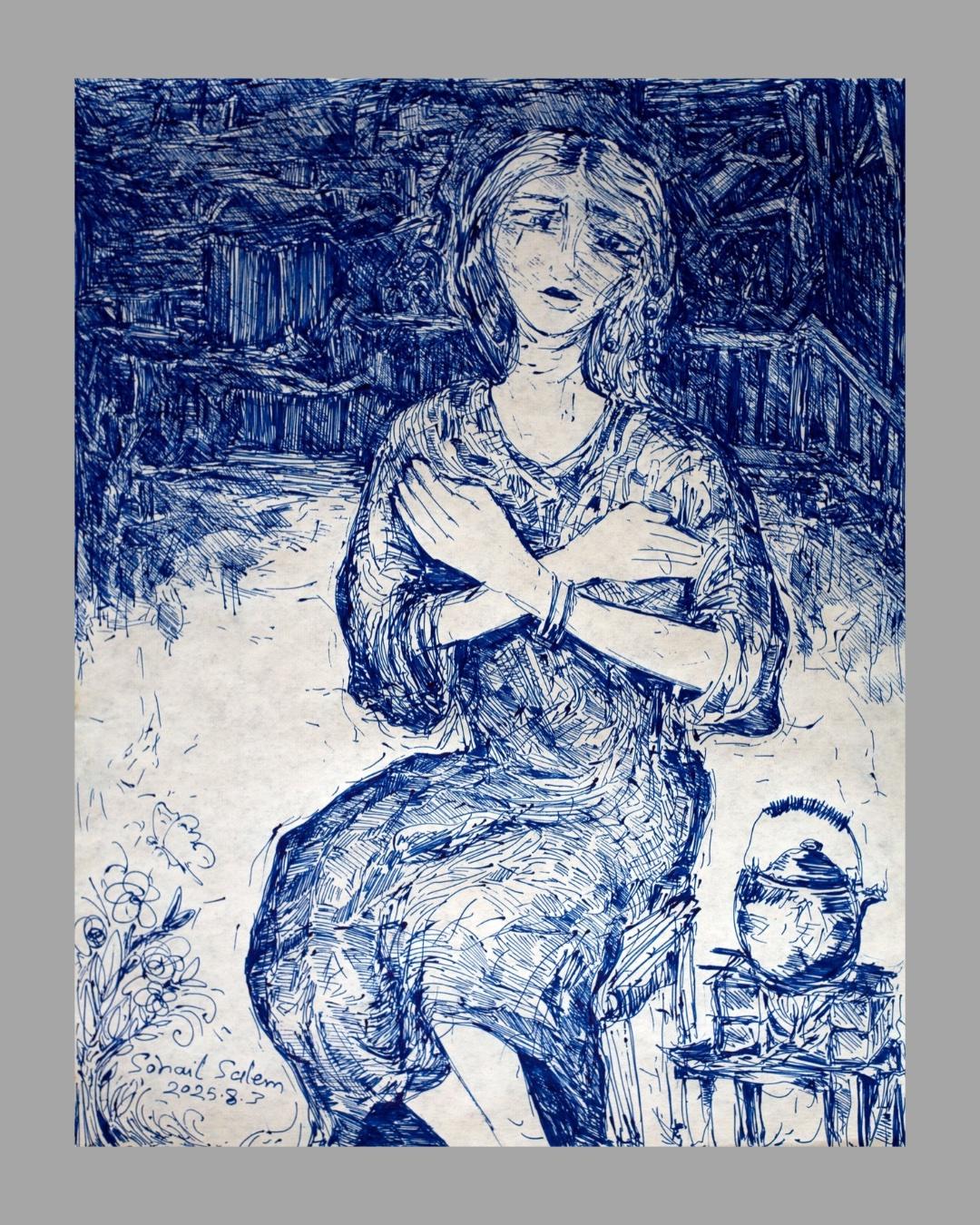
Ink pens, school notebooks and even electrocardiogram paper became part of his creative practice.
Working with these materials brought him closer to the simplicity of drawing. A pen, a piece of paper and the freedom to follow a line.
But Sohail is careful not to describe these circumstances as something beautiful in themselves.
This does not mean that I chose these circumstances, or that I see deprivation as an artistic value in itself.
He has experienced the loss of stability, familiar spaces and the freedom to work as he once did.
During one particularly difficult experience, he was detained and separated from his family. He remembers the helplessness of not knowing what would happen to them.
While detained, he drew himself inside a building, finding a way to express feelings that were difficult to put into words.
For him, such drawings are not simply records of what happened. They carry the emotions and memories of the person who created them.
Behind every line there is an experience, and behind every drawing there is a life that cannot be reduced to a single scene.
Sohail continues to explore the possibilities of art, even with limited materials. He believes that a simple pen and a sheet of paper can communicate something meaningful about humanity and the world around us.
THE FREEDOM TO KEEP DREAMING
When Sohail speaks about the future, he does not pretend to know what lies ahead.
The circumstances he has lived through have made planning difficult. Yet his desire to create remains.
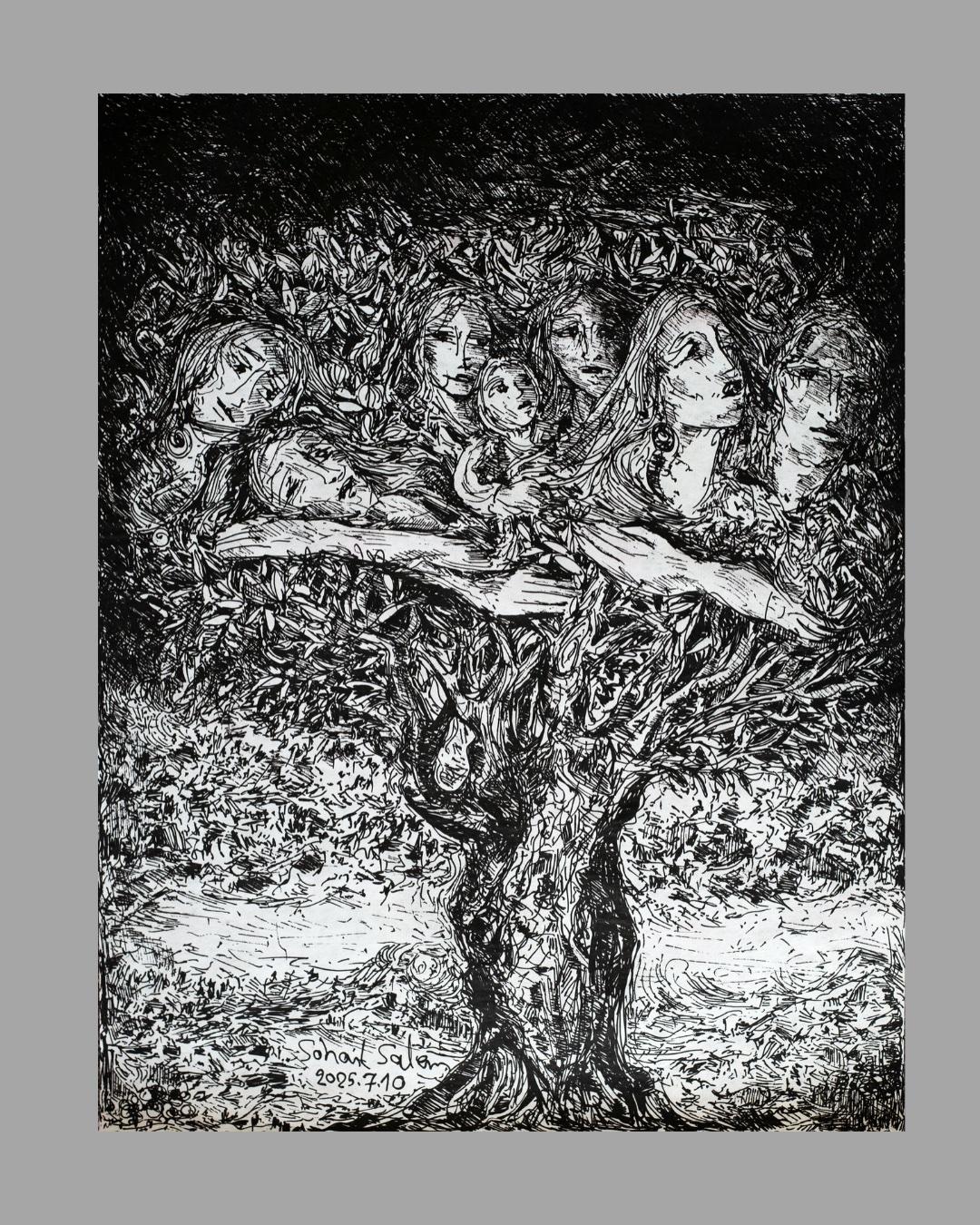
He dreams of developing a larger artistic project, revisiting his earlier drawings and giving himself the freedom to experiment with new ideas.
He hopes for a stable place to work, the materials he needs and the time to read, reflect and explore.
More than anything, he wants to continue growing as an artist.
Perhaps the most beautiful thing about a dream is that it remains open. It gives me a reason to continue and invites me to discover what we have not yet known about ourselves and the world.
When asked what he hopes people will remember about him through his work, Sohail does not speak about recognition or success.
Instead, he thinks about the person who may one day stand in front of one of his drawings.
Someone who has never met him, never visited Gaza and perhaps never experienced anything similar.
He hopes they might still feel a connection.
I do not think much about whether my works will remain as artistic achievements. I think more about the impact they may leave on the person who sees them.
His final words return to something that has been present throughout his artistic journey: the desire to understand one another beyond our differences and circumstances.
I do not wish for people to remember my name alone, but to find in my works a reason to reflect on the human being, on the right to life, freedom and dignity, and on our ability to see one another beyond images and preconceived judgments.
From a child discovering the possibilities of drawing to an artist whose work now travels beyond Gaza, Sohail Salem has continued to search for meaning through art.
His drawings hold the memories of familiar streets, the sea, friendships, artistic encounters and the people who have shaped his life.
They also carry his questions, experiences and dreams for what may still be possible.
His art has found its way into the world. And through it, Sohail Salem continues to share the memories, creativity and humanity that have always been part of his story.
An exclusive interview with Sohail Salem for The Human Thread_AE.